Proof of reserves: what it proves and what it doesn’t
On this page
After the FTX exchange collapsed in November 2022, customers learned the hard way that a balance on an exchange screen is only a promise. Many exchanges now publish proof-of-reserves reports. They are a real improvement, but they prove less than the name suggests.
What proof of reserves shows
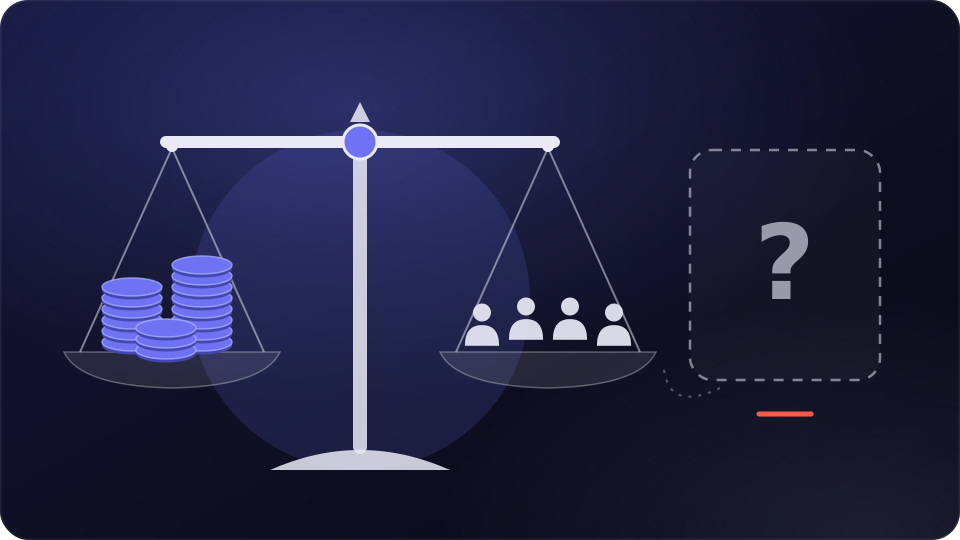
A proof-of-reserves report aims to show that an exchange holds at least as many coins as it owes its customers. The exchange shows wallets it controls on the blockchain, which anyone can check, and publishes a snapshot of customer balances.
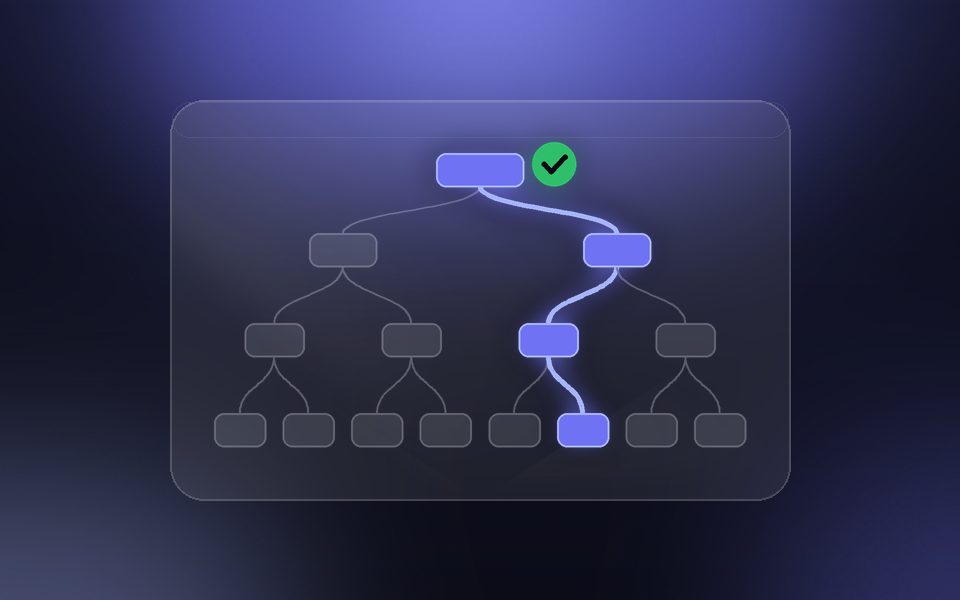
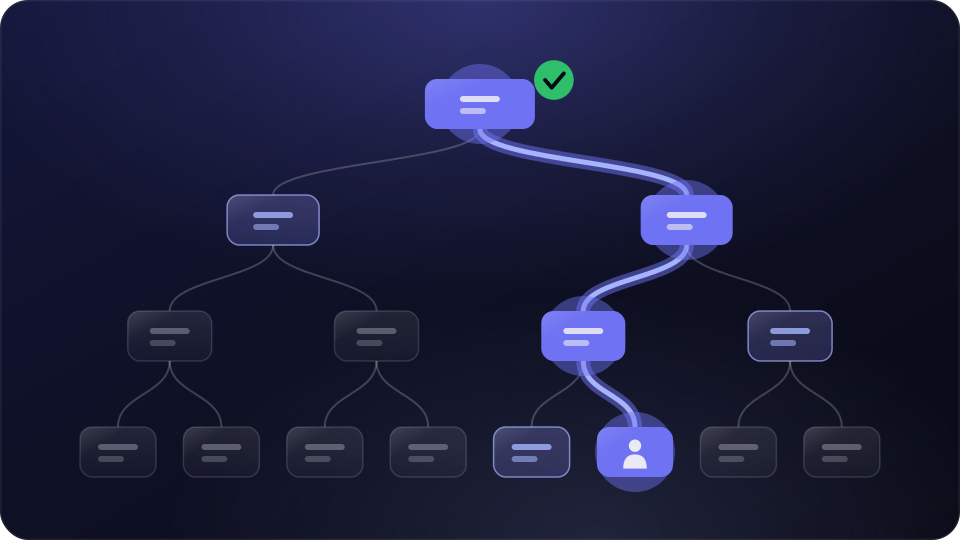
To let you check your own balance without revealing everyone else's, most exchanges use a Merkle tree: each customer balance is turned into a code, codes are combined in pairs up to a single root, and you can confirm that your balance is included in that root.
What it does not show
- Liabilities may be incomplete. The report covers customer balances in the snapshot, but not necessarily loans or other debts the exchange owes.
- It is a single moment. Coins could be borrowed for the snapshot and returned the next day.
- Ownership is not always clear. Showing control of a wallet does not prove the coins are not already promised to someone else.
- An attestation is not an audit. Many reports are checked by an accounting firm against a limited set of procedures, not reviewed as a full financial audit.
How to use it as a customer
- Prefer exchanges that publish reports regularly, not once.
- Use the exchange's tool to verify that your own balance is included.
- Check whether the report shows a reserve ratio of at least 100% for the coins you hold.
- Keep on the exchange only what you actively trade, and move long-term holdings to a wallet you control.
Questions to ask about any report
Who checked the data, and what exactly did they check? Is the report a one-off or part of a regular schedule? Does it cover all the coins the exchange holds for customers, or only a few large ones? And does the exchange explain how it treats customer loans, margin balances and its own funds?
A report that answers these questions clearly is a good sign. A report that is hard to find, out of date or vague about who verified it tells you something too. None of this replaces the simplest protection: keeping coins you do not trade in a wallet whose keys only you control.
For education only, not financial advice. Crypto assets are volatile and you can lose money.
Get one like this every morning
A 5-minute briefing in your inbox each weekday. Free, unsubscribe anytime.
Or follow the Telegram channel @pakaoqpMarket now
Latest news