Kazakhstan curbs six unlicensed crypto platforms
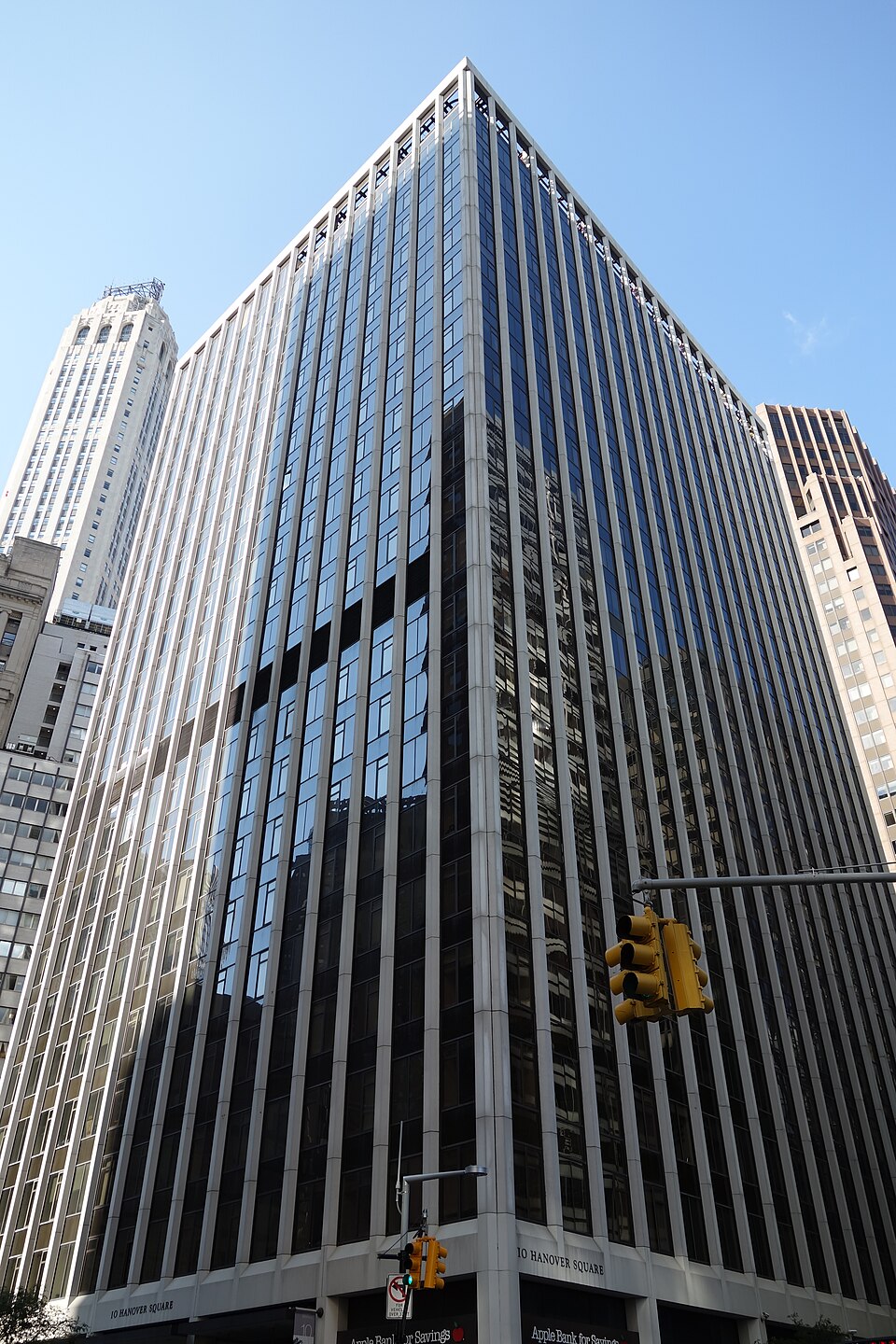
Photo: Ken and Nyetta / Wikimedia Commons, CC BY 2.0 (cropped, duotone)
On this page
A court in Kazakhstan's financial centre has ordered six crypto platforms, including Coinbase, to stop serving users there without a licence, and the order is set to reach Apple's and Google's app stores too. Here is what happened and why the licence question matters for your money.
What the court ordered
According to Cointelegraph, the Astana Financial Services Authority, known as AFSA, said on Tuesday that the court of the Astana International Financial Centre had issued injunctions. An injunction is a court order telling someone to stop doing something. AFSA had sued the operators for offering crypto services in its area without permission.
CryptoSlate reported that the original judgment, dated Sept. 15, named seven operators: Coinbase, BingX, BitMart, WEEX, LBank, Bitcoin.com and Huobi Global (HTX). A change on Sept. 18 removed LBank after its operator said it had blocked access in Kazakhstan by itself.
The six remaining operators may not offer, provide or market crypto services without authorization inside the financial centre, or to people located there. That includes doing it through a mobile app on any platform.
Why Apple and Google are involved
AFSA said on Oct. 20 that the orders will be sent to Apple and Google as the operators of the App Store and Google Play. Once they are served, the order binds them much like the named defendants, though they can ask the court to change or cancel the order.
Cointelegraph said the app-store steps restrict access to the six platforms on a geographic basis. CryptoSlate added an important caveat: AFSA had not yet confirmed that the companies were served or that anything had been switched off, and the order does not say what technical steps the stores will take.
Crypto regulation: what a licence protects
Crypto regulation is the set of rules that decides who may run a crypto service and what they owe their customers. A licence is the proof a firm has accepted those rules where you live.
AFSA said people using unlicensed platforms miss protections that licensed firms must provide: safeguarding of customer assets, clear disclosure, a complaints process and a way to settle disputes. Without those, you may have little help if a withdrawal stalls or an account is frozen.
In AFSA's view the case is about firms that were advertising and serving people without permission. Its CEO, Evgeniya Bogdanova, described the goal as working "to address the activities of unlicensed crypto platforms that were advertising without authorization".
Not a sudden move
In 2025 the regulator warned more than 20 platforms about its rules, and it went to court in early 2026. Cointelegraph reported that nine other platforms limited their apps in Kazakhstan on their own, so AFSA dropped its claims against them, and seven platforms said they plan to apply for licences.
Per CryptoSlate, Coinbase access in Kazakhstan was already restricted in November 2023, and Cointelegraph earlier reported that a government agency blocked almost 1,000 unregistered exchanges in 2023. Outside the financial centre, crypto firms answer to the National Bank. BingX, Coinbase and Huobi Global did not immediately answer Cointelegraph.
Words to know
Three terms from this story.
- Licence: official permission to run a financial service, which comes with duties toward customers.
- Injunction: a court order that tells a person or company to stop, or to do, a specific thing.
- Geographic restriction: a block that applies only to users in a certain place, often based on the store region or location of a phone.
What to keep in mind
CryptoSlate stressed that the real effect depends on whether the orders are served, how they are carried out and which regions the store blocks cover. So nothing may change overnight, or it may change quickly.
A calm habit helps in any country: check whether the exchange you use is licensed where you live, know how to withdraw to a wallet you control, and keep your records. If an app disappears from a store, access may become slower and support harder to reach, so it helps to know your withdrawal options before that happens.
Sources
This analysis is based on the reports below. Open them for the full original coverage.
- CointelegraphKazakhstan court orders curbs on Coinbase, BingX and four others
- CryptoSlateKazakhstan shuts down mobile access to 6 major crypto exchanges
Written with AI assistance from the public sources listed below, with automated checks on figures and quotes. It is not investment advice. Spotted an error? Email hello@finvane.blog.
For education only, not financial advice. Crypto assets are volatile and you can lose money.
Get one like this every morning
A 5-minute briefing in your inbox each weekday. Free, unsubscribe anytime.
Prefer quick updates? Follow @pakaoqp on TelegramMarket now
Latest news
- Bitcoin Core merges privacy fix for its opt-in private broadcast featureCryptoSlate · October 9, 2026
- Senator Blumenthal questions Cantor Fitzgerald over its Tether tiesCoinDesk · October 9, 2026
- Ethereum's Sepolia testnet activates Glamsterdam with a bigger gas limitDecrypt · October 9, 2026
- Greece drafts 15% tax on crypto capital gains, reports sayBitcoin Magazine · October 9, 2026