HSBC RedCoin: Stablecoin Rules and Protections
On this page
HSBC has introduced its own Hong Kong dollar stablecoin, named RedCoin, for millions of everyday mobile payment users in Hong Kong. While the rollout marks a major step for regulated banking tokens, it comes with strict technical boundaries and different legal protections than standard bank accounts. This guide explains how the token works and what consumer protections apply to your balance.
What happened with HSBC and RedCoin
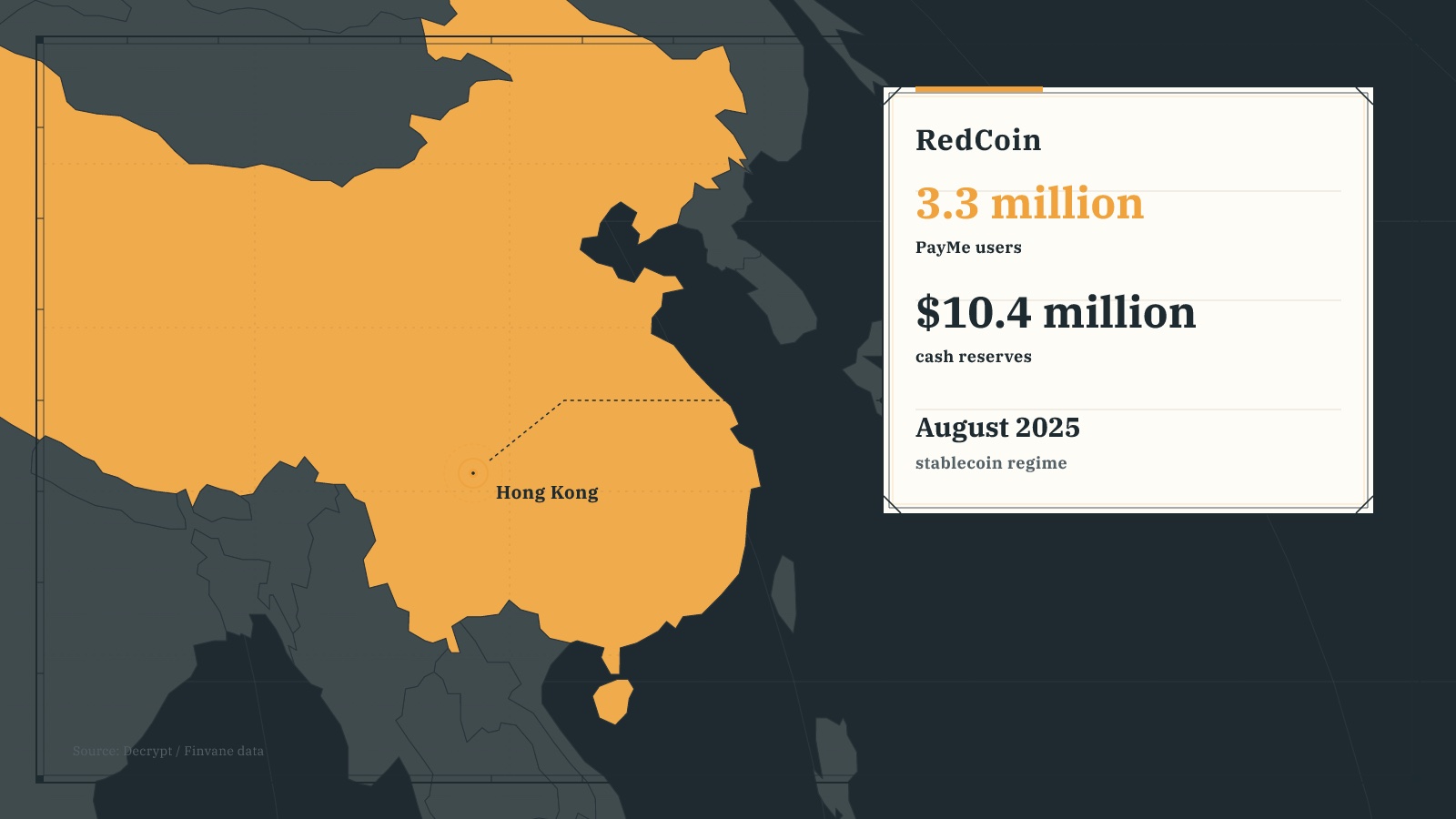
According to Decrypt, HSBC activated its Hong Kong dollar stablecoin, known as RedCoin under ticker RCHKD, on Friday. More than 3.3 million PayMe users can now turn on the token to send money to friends or pay at over 100,000 merchants.
The token is designed to keep parity so that one RedCoin equals one Hong Kong dollar. Shortly after launch, roughly $10.2 million in RedCoin was in circulation, backed by $10.4 million held fully in cash reserves.
The launch follows formal approval from the city's central bank in April. HSBC emerged from a competitive process against at least 36 applicants by September 2025 to secure its place under the local framework.
Words to know
Here are three key terms that help explain how bank-issued digital tokens work:
- Stablecoin: A digital token engineered to keep a steady value equal to a traditional currency, such as the Hong Kong dollar.
- Private ledger: A closed record-keeping database run entirely by an institution, unlike open public networks where anyone can view or validate transfers.
- Attestation: A formal review by an independent auditor checking that money in a bank reserve matches the tokens issued to the public.
Crypto regulation and consumer safety rules
The launch operates under the Hong Kong Monetary Authority stablecoin regime, which officially took effect in August 2025. This legal structure forces issuers to maintain liquid reserves, but holding a stablecoin is not identical to keeping money in a regular bank account.
RedCoin is not legally classified as a bank deposit. Because of this distinction, it lacks statutory coverage under the Hong Kong Deposit Protection Scheme, which typically protects retail bank balances if an institution fails.
To ensure the backing remains sound, an initial independent attestation auditing RedCoin reserve cash is scheduled following the fourth quarter of 2026, Decrypt reported. For now, the reserve margin sits slightly above circulating supply, with $10.4 million in cash backing $10.2 million in tokens.
How RedCoin is walled off from public crypto
A critical detail for ordinary holders is that RedCoin functions entirely on an HSBC private ledger rather than public networks like Ethereum. You cannot withdraw these tokens to a personal crypto wallet or trade them on independent exchanges.
Even within HSBC's own ecosystem, token balances cannot transfer between PayMe and the core HSBC banking app. The funds are currently restricted to the payments app environment.
HSBC intends to bring RedCoin to its HK Mobile Banking app later this year, letting clients buy tokenized fund shares. John O'Neill, HSBC managing director of digital assets and currencies, told Decrypt: "We will soon add more products, including expanding into wholesale corporate and institutional use cases."
What to keep in mind before using bank stablecoins
When a commercial bank offers a digital token, it can feel just like regular digital cash, but the legal rules are distinct. Because RedCoin lacks government deposit insurance, users rely entirely on the issuer's private ledger safeguards and segregated cash reserves.
For everyday shopping in supported apps, the token offers quick settlement. However, holders should remember that these tokens cannot move freely across the broader crypto ecosystem or into primary checking accounts.
Sources
This analysis is based on the reports below. Open them for the full original coverage.
Written with AI assistance from the public sources listed below, with automated checks on figures and quotes. It is not investment advice. Spotted an error? Email hello@finvane.blog.
For education only, not financial advice. Crypto assets are volatile and you can lose money.
Get one like this every morning
A 5-minute briefing in your inbox each weekday. Free, unsubscribe anytime.
Prefer quick updates? Follow @pakaoqp on TelegramMarket now
Latest news
- Bitcoin Core merges privacy fix for its opt-in private broadcast featureCryptoSlate · October 9, 2026
- Senator Blumenthal questions Cantor Fitzgerald over its Tether tiesCoinDesk · October 9, 2026
- Ethereum's Sepolia testnet activates Glamsterdam with a bigger gas limitDecrypt · October 9, 2026
- Greece drafts 15% tax on crypto capital gains, reports sayBitcoin Magazine · October 9, 2026